.png)

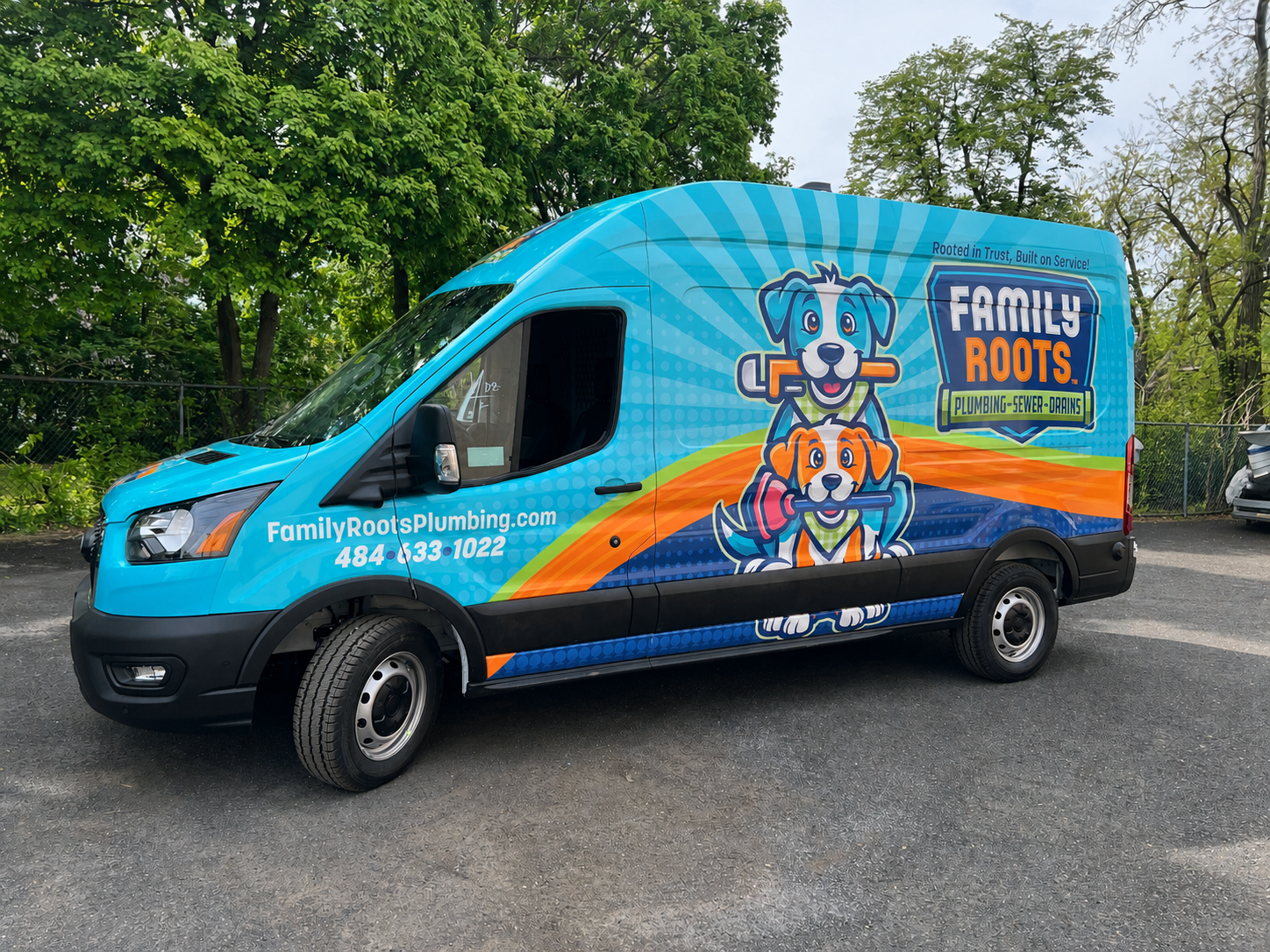
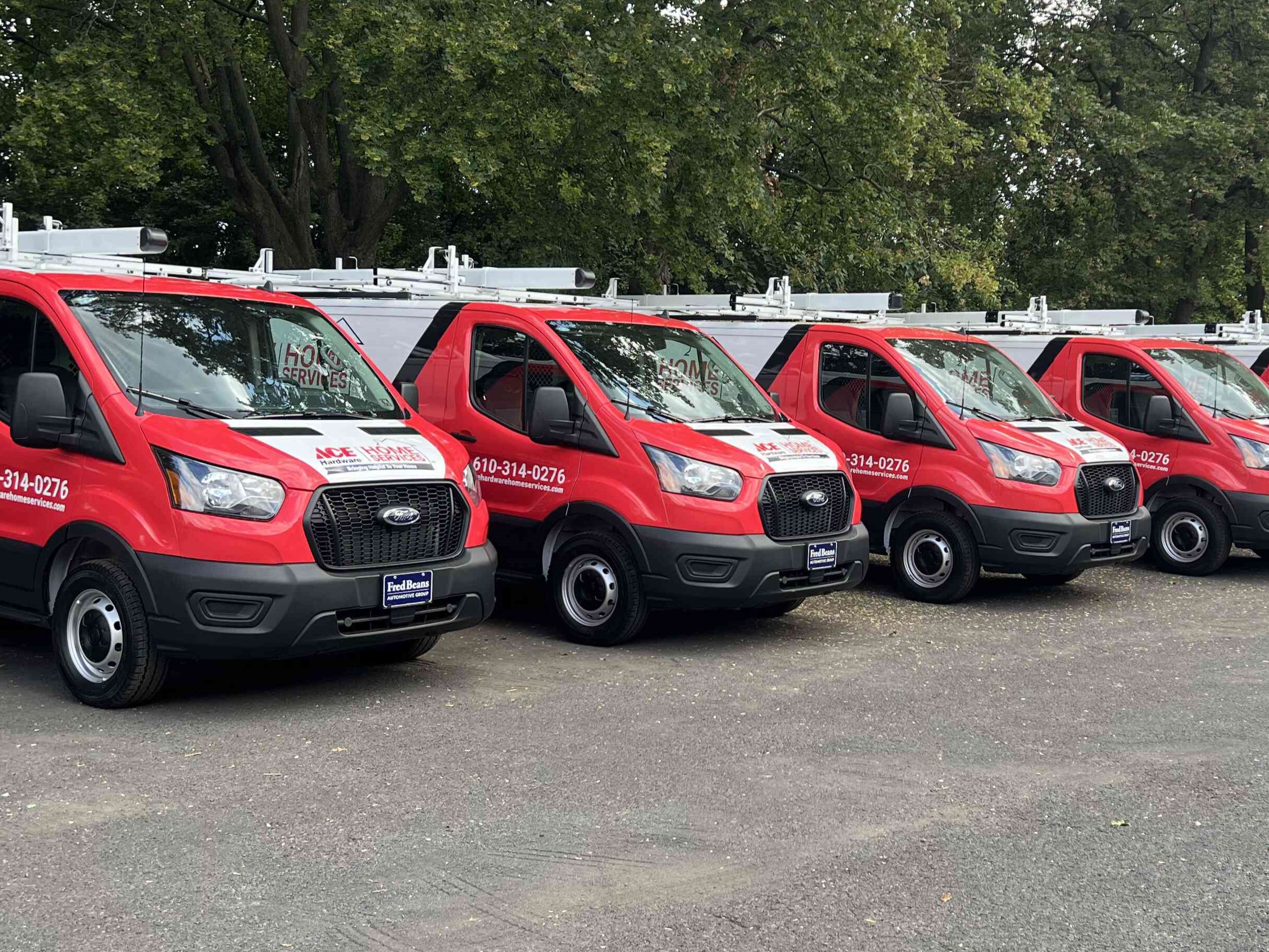
Protecting your investment doesn't stop once the wrap or lettering is installed. Use this quick reference guide from On The Spot to keep your fleet's full and partial vinyl wraps and lettering looking sharp, protected, and road-ready for years to come.
Q: How should I wash my wrapped or lettered vehicle?
A: Hand-wash with a soft microfiber sponge and a pH-neutral automotive soap, then rinse thoroughly to prevent water spots. If you use a pressure washer, keep it under 2,000 PSI, water temperature below 180°F, and the nozzle at least 12–14 inches from the surface. Always use a wide-angle fan pattern, and never blast directly at the edges of the wrap or lettering.
Q: Can I run my fleet through an automated car wash?
A: Touchless (brushless) automatic washes are generally safe. Avoid drive-through washes with spinning bristle brushes — they quickly dull the vinyl's finish, cause micro-scratches, and catch on exposed wrap or lettering edges, causing them to lift and fail prematurely.
Q: What do I do about bugs, bird droppings, tree sap, or tar?
A: Spot clean immediately. Bird droppings and bug splatter are highly acidic and will permanently etch the vinyl if left to bake in the sun. Soak the area with hot, soapy water to soften the debris, then wipe away with a microfiber towel. For stubborn tar or sap, use a citrus-based cleaner or isopropyl alcohol, wiping gently — never aggressively scrub the vinyl or lettering.
Q: Can I wax or polish the wrap?
A: If your wrap has a gloss finish, yes — use a high-quality, silicone-free liquid wax or synthetic spray sealant to protect against UV rays. Avoid traditional paste waxes, which leave a stubborn white residue along the seams. If your wrap or lettering is matte or satin, never use wax or polish — it will leave permanent, irreversible shiny blotches.
Q: What if I notice a corner or edge of the wrap or lettering starting to lift?
A: Do not pull, pick, or tape it. Once dirt and moisture get behind the adhesive, that section is compromised and won't stick again. Carefully trim the loose piece flat with a sharp blade, or bring the vehicle into our shop within the install warranty period — we can often patch or secure it before the problem spreads.
Q: What happens if the vehicle gets scratched or is in an accident?
A: Vinyl can't be buffed out or repaired with touch-up paint. If a panel is damaged, have the bodywork and paint repaired first. Fresh automotive paint needs to cure and outgas for at least 3–4 weeks before new vinyl can be applied. Once fully cured, we can reprint and re-wrap or re-letter just the damaged section to seamlessly match the rest of your fleet.
Q: How do I protect my wrap or lettering from winter road salt?
A: Road salt and de-icing brine are highly corrosive, and if left to sit, can seep beneath the vinyl's edges and cause premature lifting. Rinse your vehicle's lower panels and wheel wells weekly through the winter, and always right after driving through slush or freshly salted roads. Use a touchless wash or a gentle hand rinse, and avoid aiming high-pressure water directly at seams and edges. Never scrape ice directly off a wrapped or lettered panel — use a soft brush or warm water instead. A synthetic sealant applied before winter adds an extra layer of protection for gloss finishes.